
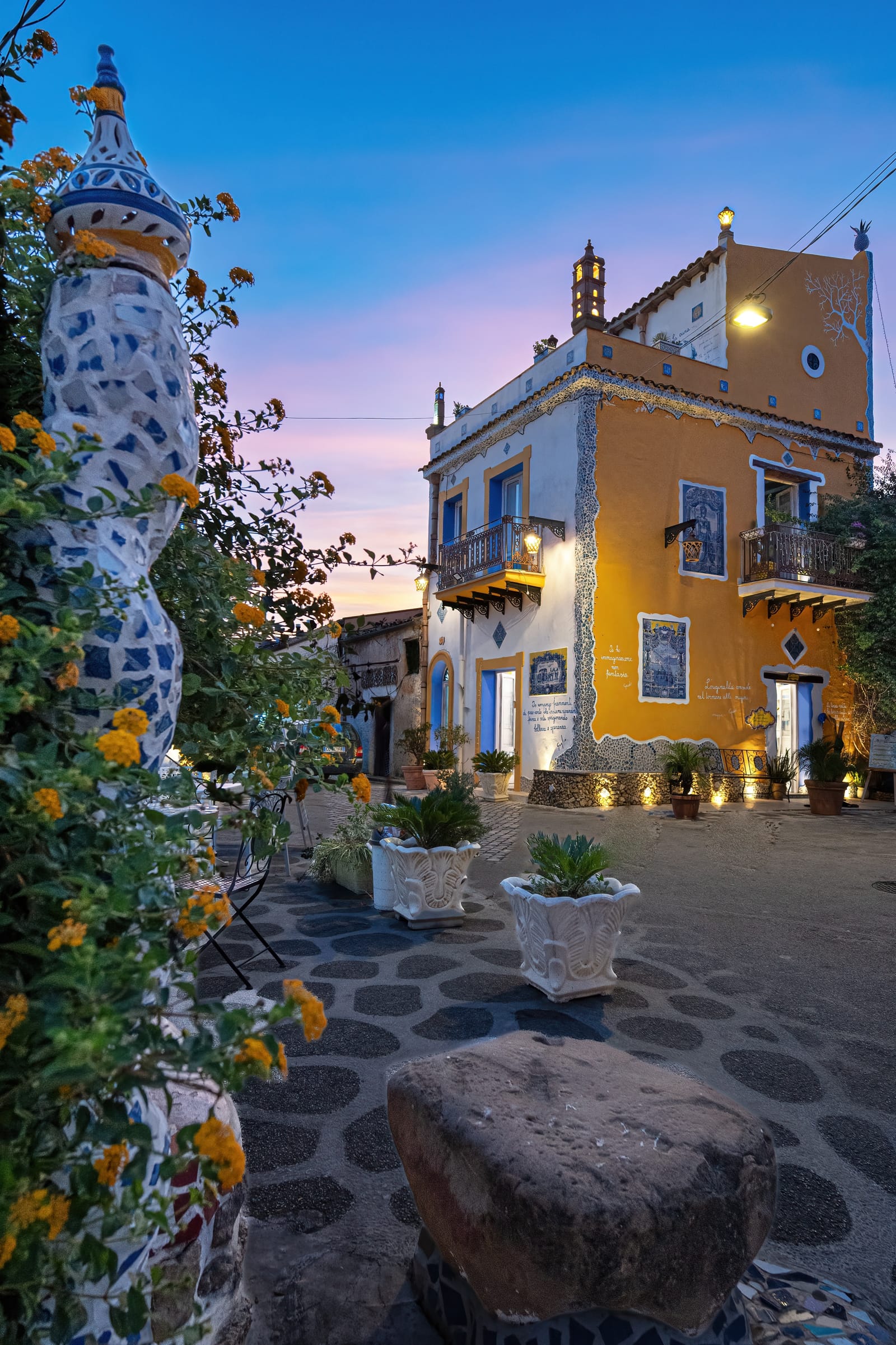
Why it is called Borgo Parrini
In Sicilian, “parrini” means priests. The village takes its name from the Jesuit Fathers of the Palermo Novitiate, who bought this land near Partinico between the 16th and 17th centuries to run its farm work.
In the early 18th century the Jesuits built the small church of Maria Santissima del Rosario, still the heart of the village, surrounded by storehouses, mills and farmers’ houses. After the Jesuits were expelled in 1767 the land passed to new owners; local sources later link the village to the Orléans family and the Moscatello dello Zucco wine.
After the Second World War the village emptied, until it was little more than ruins.
A rebirth in colour
From the early 2000s, local entrepreneur Giuseppe Gaglio began restoring the old houses, starting with his own, and brought in local artists. The style is freely inspired by Gaudí’s modernism: curved lines, broken-tile mosaics, majolica and bold colour.
The nickname “little Barcelona” came from newspapers and social media, which made the village famous far beyond Sicily from 2021. But Borgo Parrini is not a copy of Barcelona: it is a Sicilian village reinvented by Sicilian hands.
What to see as you stroll
The joy of Borgo Parrini is walking slowly and taking in the details. These are the spots I never let my guests miss:
- The church of Maria SS. del Rosario
- The oldest part of the village. Today it hosts cultural activities and, inside, paintings in azolo blue showing life between farmers and monks.
- The square and the murals
- The most famous view: large murals, majolica and tributes to Frida Kahlo, to the judges Falcone and Borsellino and to Franco Battiato.
- The talking walls
- On the façades you will find words by Gandhi, Mandela, Dante and other writers: stop and read them, they are part of the story.
- The lanes and steps
- Mosaics, ceramics and steps painted with celestial motifs inspired by the Milky Way. The place for your best photos.
- The viewpoint with the bell towers
- From above you see the village and a series of miniature domes and bell towers: an art project that began with the towers of Sicily’s nine provinces.
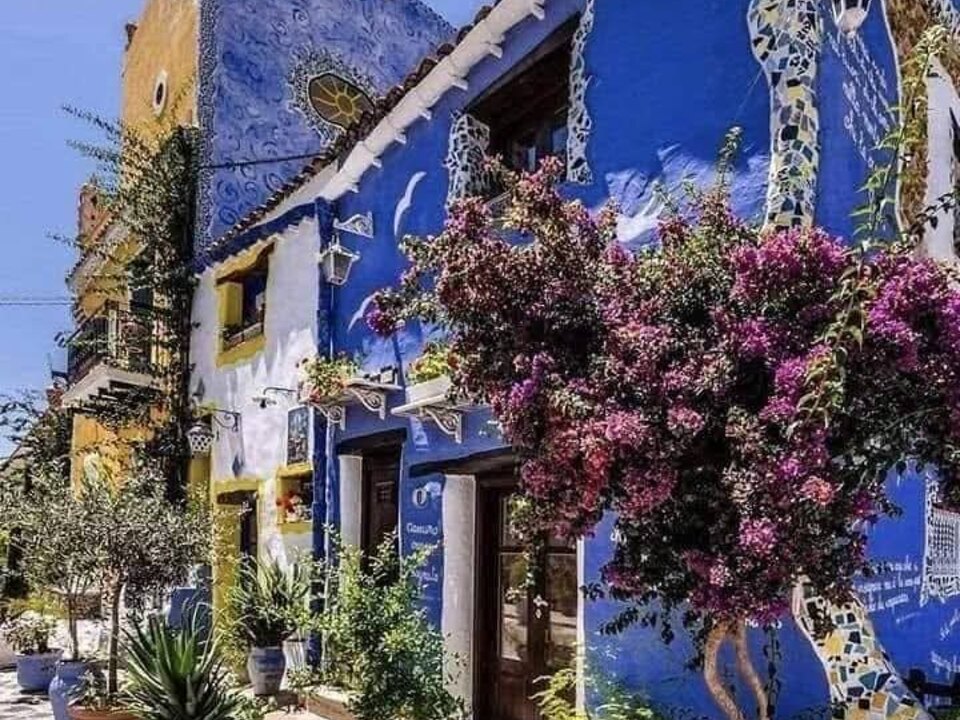
The house museums of Borgo Parrini
The house museums are five places you can visit inside, each with its own soul: farming memory, art, theatre, dreams and culture. They are old buildings with contemporary displays: not faithful reconstructions of one era, but memory turned into art.
- Palazzina Gialla (the Yellow House)
- A staircase painted like the Milky Way leads to two old bedrooms, Maria Stefania Maenza’s naïve Blue Tree room and the panoramic terrace, with Rocco Micale’s tribute to Franco Battiato and the miniature bell towers.
- The farmers’ Summer House
- Azolo blue dominates, with white and blue majolica in the kitchen. Maria Stefania Maenza’s paintings tell the story of the grape harvest and the Moscato dello Zucco; a spiral staircase leads up to the bedroom.
- The farmers’ Winter House
- Home life around the old wood-fired oven, with pottery and wicker baskets. The decorations echo the Sicilian cart, with works by Gianfranco Fiore, a Partinico master who took this art all the way to high fashion.
- Sicilian Puppet Theatre and Dream Museum
- In the same building, linked to the old Jesuit complex: first the knights, ladies and paladins of the Opera dei Pupi, a UNESCO heritage tradition; then the Dream Museum, three rooms inspired by Chagall, Monet and Van Gogh, mostly painted by Loris Panzavecchia, ending with a tribute to Giuni Russo on the terrace.
- Cultural Centre (former Literary Café)
- Rooms of the old Jesuit complex turned into a meeting place, with reclaimed beams, white and blue ceramics, mosaics and a small library: the “workshop of culture” imagined by Giuseppe Gaglio.
Tickets: a single €6 ticket per person gets you into all five; children under 13 go free. Buy it at the souvenir shop. With the VIMAN experience the ticket is discounted. Prices and opening times may change: check on site.
The legend of the bells
Every Sicilian village has its stories, and Borgo Parrini has the bells. According to local oral tradition, they once rang by themselves to announce important events; a mysterious pilgrim dressed in white is said to have foretold that the village would fall asleep when the bells fell silent, and that beauty would return when they rang again.
The story goes that the bells rang once more in 1997, shortly before the village’s rebirth. It is a legend, not a documented fact: but here, in front of the church, it is lovely to hear it told.
The flavours of the village
Borgo Parrini is not only for looking at: it is for tasting too. Here is what not to miss before you leave.
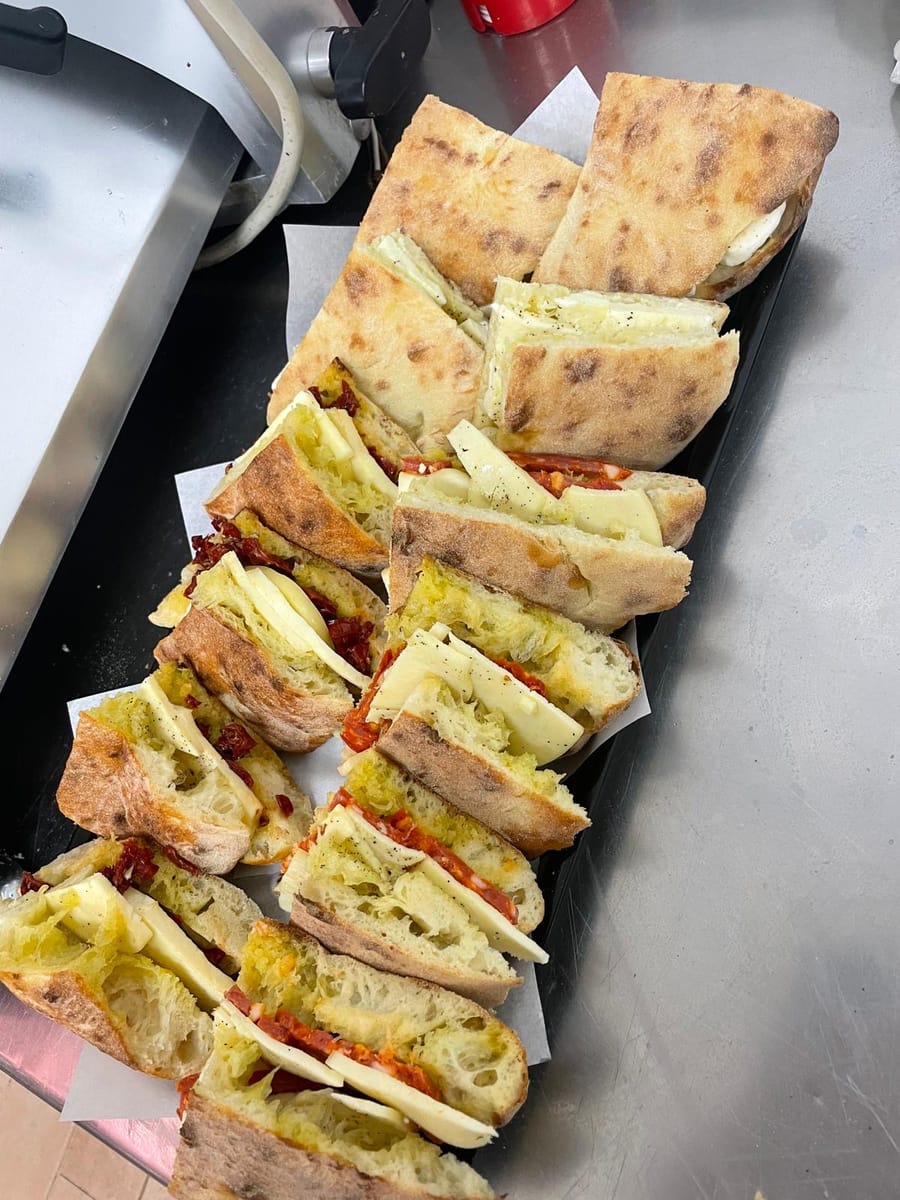
- Pane cunzatu
- Warm bread dressed with extra virgin olive oil, tomato, anchovies, caciocavallo cheese and oregano. It is the most typical taste of the village, linked to Za’ Santa’s bakery and the farming traditions of the area.
- The dairy in Contrada Parrini
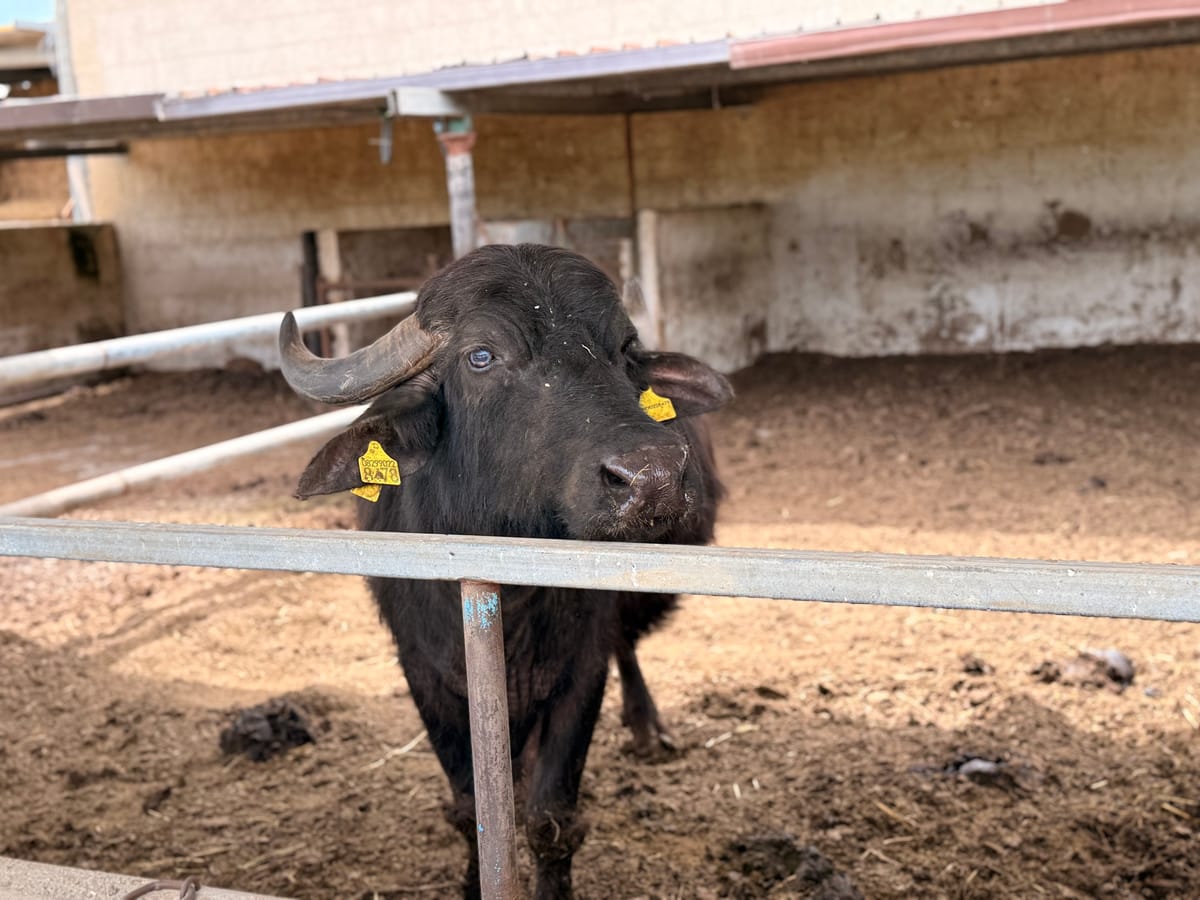
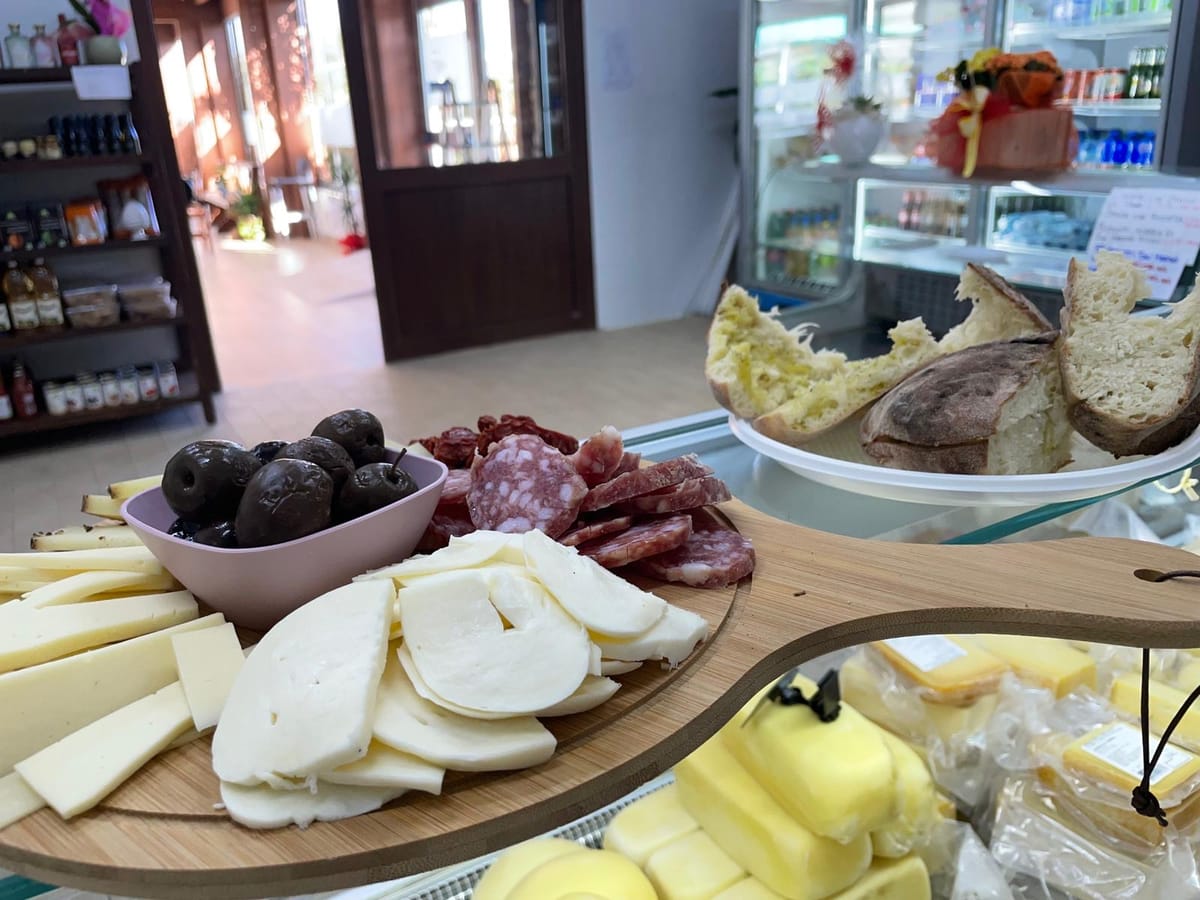
- Caseificio Giglia is right here in Contrada Parrini, with its own buffalo herd: buffalo mozzarella, fresh and aged cheeses, caciocavallo and cured meats sliced to order. By reservation it hosts tastings with sharing boards, artisan bread, local honey and wines from the area.
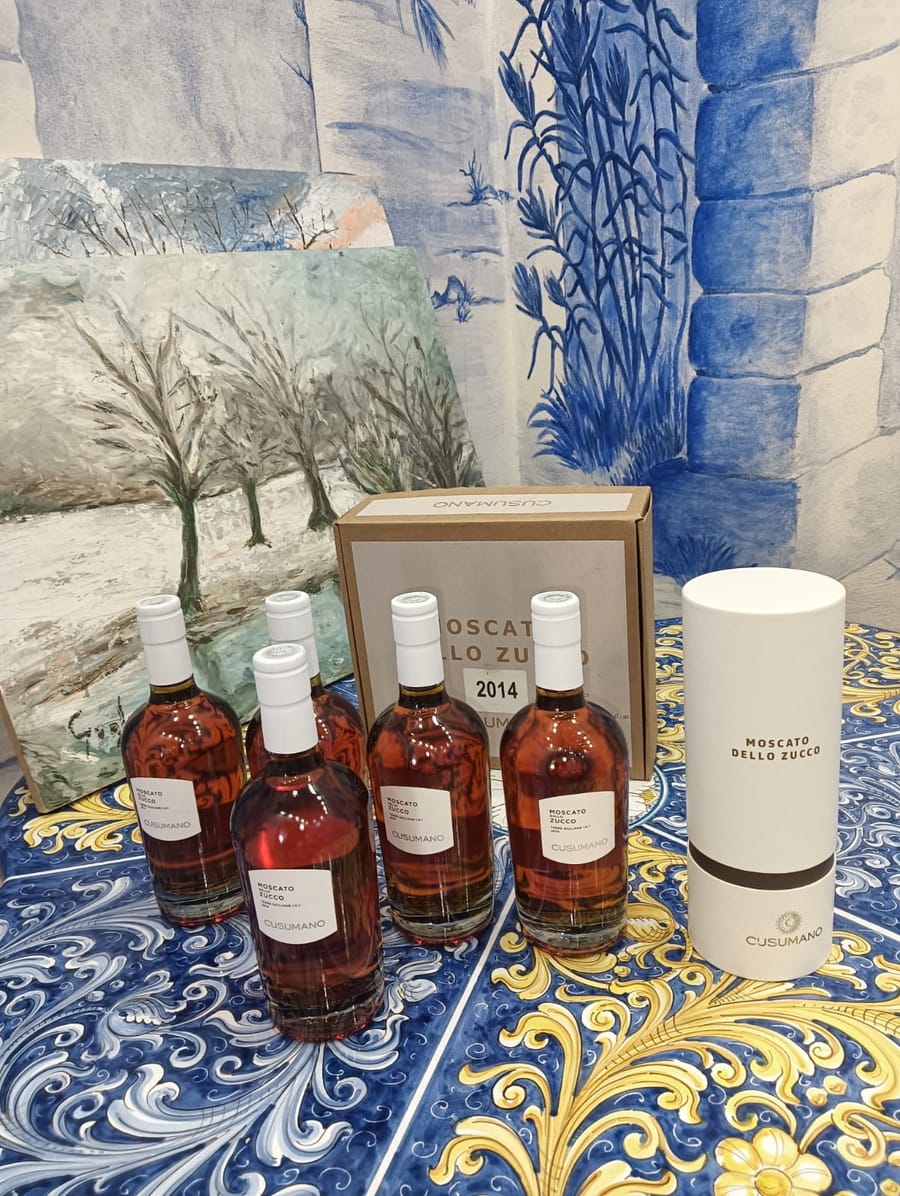
- Moscato dello Zucco
- The sweet wine tied to the village’s history and to the vineyards once worked by the Zucco labourers still exists today: it is made by the Cusumano winery.
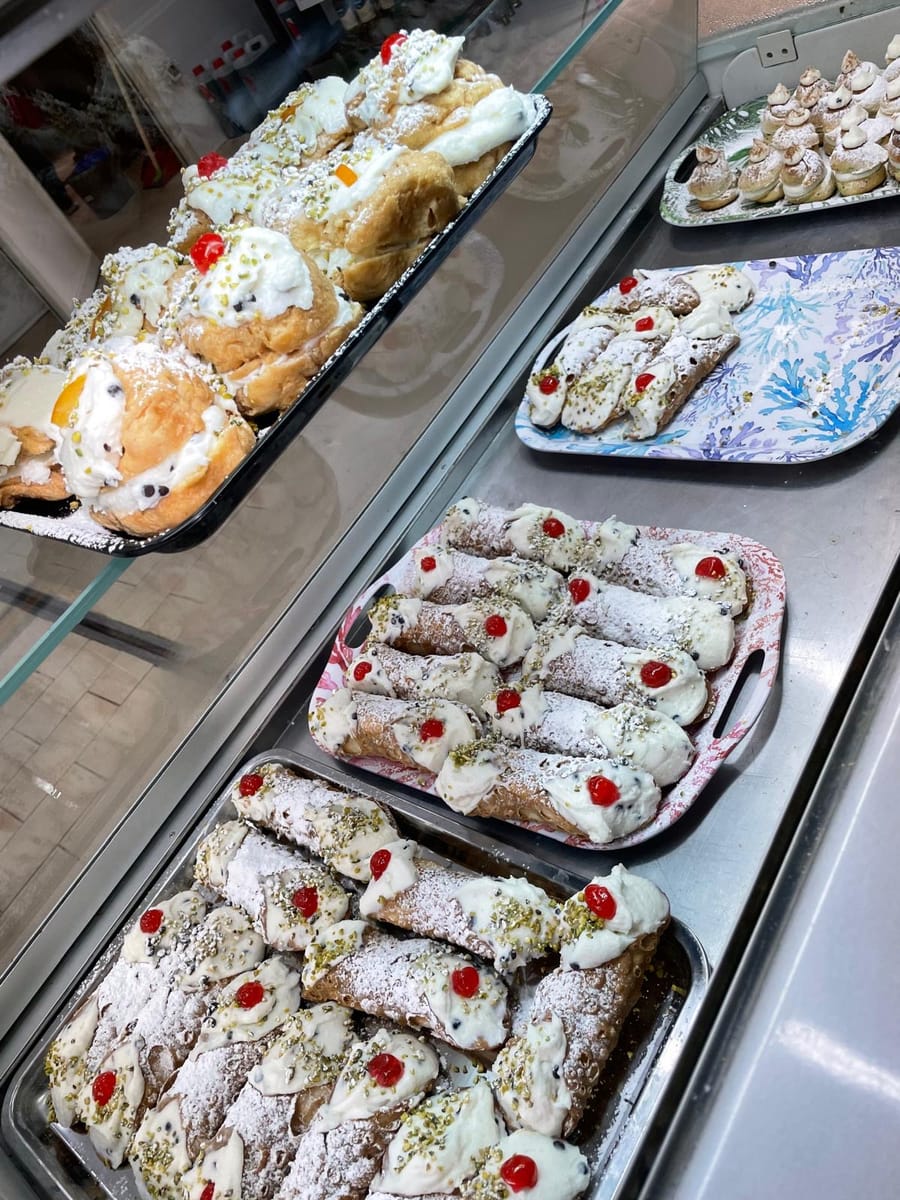
- Sweets
- Ricotta cannoli and the traditional cassatelle of Partinico: the right way to end your visit.
Caseificio Giglia tastings (in Italian) (opens in a new tab)
With the Premium option of the VIMAN experience, the final dairy tasting is already included.
Getting there and when to go
Borgo Parrini is reached by car: from Palermo, take the A29 motorway towards Trapani, and in about 45–50 minutes you reach the Partinico area. There is no direct public transport. There is a paid car park at the entrance to the village.
I recommend early morning or late afternoon: the light on the façades is softer, it is cooler and quieter. Spring and autumn are ideal; in summer, bring water and a hat.
Before you go
What to bring
- Comfortable shoes: lanes and steps are not always even
- Water and a hat, especially in summer
- A charged phone for photos
- Some cash for the house museum ticket